Tour Description
Groups accepted with a minimum of 6 pax.
The Algarve is rightly famed for its golden sandy beaches, golf courses, and wonderful year-round climate but is still a secret destination for great birding. The region has a wonderful variety of birds and many places where you can go and find them and provides top-class birding at almost any time of the year.
Its wonderful variety of habitats and geographical location attract a wealth of breeding and wintering species and at migration times it is an important stopover area for countless birds making their way to or from Africa.

Birdwatching – looking for the Great Bustard
This is an 8 days birdwatching tour in the Algarve and Alentejo with excursions in search of southern Portugal’s resident and migrant birds. This tour has been specifically chosen to give you the chance of enjoying the very best of the birdlife in the South of Portugal.
Itinerary
Day 1 – Arrival
Arrival at Tavira. Free time until evening meeting (the Tour Guide will give a preview of next day’s program) and dinner.

Tavira, river Gilao
Day 2 – Tavira Ria Formosa
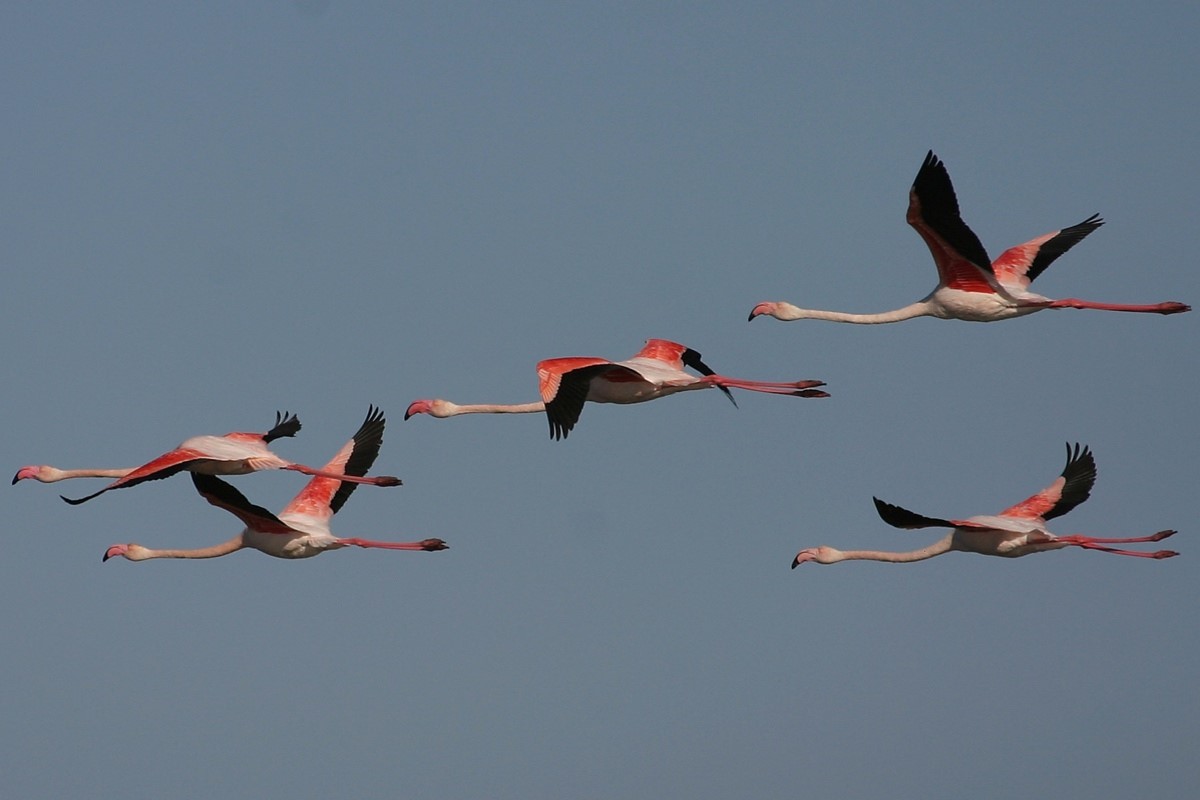
Tavira is located in the heart of the Ria Formosa Natural Park, a wetland area of international importance that is recognized under the Ramsar Convention. Salinas and saltmarsh attract a wide range of birds according to season. In autumn and winter bring Spoonbills, hundreds of Greater Flamingos, Audouin’s Gulls and Slender-billed Gulls, and as many as 20 species of wading birds, including Stone-curlews. In spring/summer, local breeding species include European Bee-eaters, Red-necked Nightjar, Little Terns, Avocets, and Kentish Plovers.
Part of the day will be spent exploring the area on foot; we will also take a boat trip in the Ria Formosa.

Saltmarshes Ria Formosa, Explore one of the best birding sites in the Algarve.
Day 3 – Cape St. Vincent
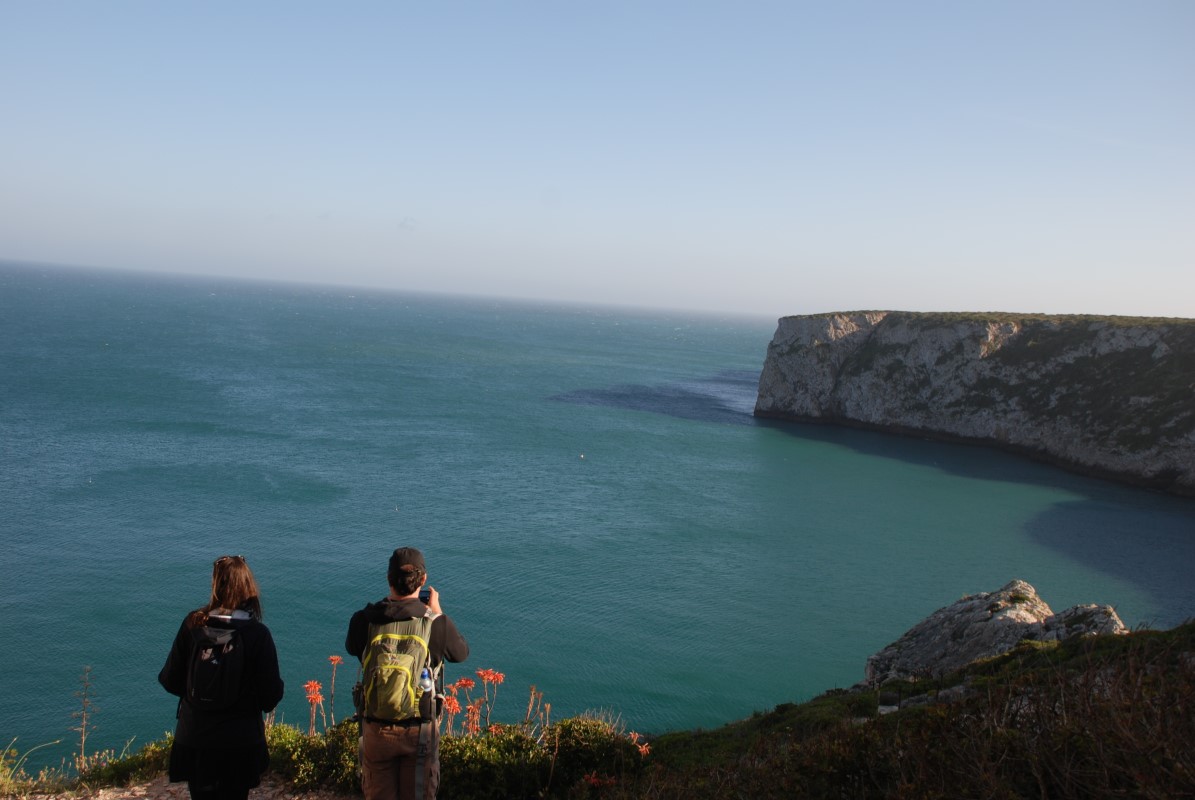
This morning we drive out to Cape St Vincent, the most south-westerly point of mainland Europe where the coastline is formed mainly by rocky cliffs. The landscape here is fairly barren with low bushy vegetation that includes plant species that are endemic to the area. In autumn large numbers of migrant raptors can often be seen, notably Booted Eagles, Short-toed Eagles, and Honey-buzzards; large flocks of Griffon Vultures also regularly occur at this time. From the clifftop, Gannets can regularly be seen and other seabirds passing off-shore may include Cory’s Shearwaters. There is often a small flock of Red-billed Choughs in the area, Blue Rock Thrush and Black Redstart are commonly seen and we would expect to see Thekla Larks.

Sagres, Peninsula becomes a birding hotspot where many species of Western European raptors congregate in their thousands.
Day 4 – Free Day
You can relax in your hotel or take the chance to know a little better Algarve, with a half-day/day tour.

Booted Eagle, photo Peter Dedicoat. The Booted Eagle is a medium-sized bird of prey that is quite small compared to some other eagles. It breeds in Southern Europe
Day 5 – Castro Verde
Today we visit the Castro Verde area were among our targets will be the Great Bustard, one of the world’s heaviest flying birds. These birds inhabit a huge area of uniform countryside in the Baixo Alentejo and can sometimes be difficult to see unless you know where to look. Other species that can be found include (according to season) Black-bellied Sandgrouse, Calandra Lark, Lesser Kestrel, European Roller, Griffon Vulture, Spanish Imperial Eagle, Red Kite, Black Kite, Montagu’s Harrier, Common Crane, and Little Bustard. It is also an important breeding area for White Storks. In spring, large areas are carpeted with multi-colored wildflowers – a truly memorable sight.
Birdwatching – looking for the Great Bustard. In the plains of the Alentejo, Castro Verde. Across the territory of Europe’s largest flying bird, the Great Bustard
Day 6 – Castro Marim
A day visiting the local Reserva Natural do Sapal de Castro Marim e Vila Real de Santo Antonio, an enormous area of wetland, saltmarsh, and saltpans at the eastern end of the Algarve which is home to a wealth of birdlife. Among the attractions here are Greater Flamingos at least some of which can be found all year-round. As many as 1000 of them may be seen in the winter months. A varied selection of gulls, wildfowl, and wading birds can be expected in spring, autumn, and winter.
Spoonbills Castro Marim. Good places to see Spoonbills in the Algarve are the nature reserve at Castro Marim
Day 7 – Ludo and Quinta do Lago
Ludo Farm and Quinta do Lago are located west of Faro near to the airport and between them have an excellent mix of habitats including salinas, woodland, reedbeds, and saltmarsh. The lake at Quinta do Lago is well-known as one of the best places in the Algarve to see Purple Swamp-hens but at any time the area is home to an excellent variety of species and in winter thousands of wildfowl and waders are usually present.
Glossy Ibis photo Peter Dedicoat. Glossy Ibis in Portugal is a huge success story.
Day 8 – Departure
Free time until departure.
Insurance
You must be adequately insured to join our Guided birdwatching holidays Algarve and Self-Guided birdwatching holidays. We do not insist that you insure with us but we require that you are adequately insured for the nature of your holiday.
BeCool Travel has partnered with WorldNomads.com to keep you traveling safely. WorldNomads.com Travel Insurance is designed for independent and adventurous travelers, with coverage for overseas medical expenses, cancellation, baggage, and other expenses.
Please consult our Travel Insurance page, where you’ll be able to get more detailed info about insurance requirements and an immediate quote for your trip.